
A Halifax County Owner Search from Address to Deed
An address alone rarely settles a Halifax County ownership question. Start with the parcel instead. WebGIS links a street location to a parcel record number. From there, the Commissioner of the Revenue maintains real-estate ownership information. The assessment office prepares the Halifax County land book. The deed lives with the Circuit Court Clerk. Put the land-book entry beside the latest recorded instrument. Comparing both gives a far more reliable answer than either property records source alone.
| Step | Office or source | Question answered |
|---|---|---|
| 1. Locate the parcel | Halifax County WebGIS | Which parcel record number matches the site? |
| 2. Check owner-of-record information | Commissioner / Real Estate Assessment Office | What owner and value are carried in the Halifax County land book? |
| 3. Confirm the transfer | Circuit Court Clerk's land records | What deed most recently conveyed the parcel? |
| 4. Resolve an account question | Treasurer | What bill or payment is attached to the account? |
Halifax County offers no separate assessor card or owner-name search online. For an exact owner field, call the Commissioner. Give the address or parcel number, and ask how current the entry is.
Halifax County Owner Information Comes from Two Different Records
Two different records carry owner information in Halifax County, and they serve different jobs. The land book supports local assessment and taxation. The Halifax County deed is a recorded legal instrument. A land-book entry works well as an owner-of-record clue. The deed goes further, naming the grantor, the grantee, the recording reference and the legal description. Reassessment runs on a two-year cycle at 100 percent of fair market value, with current land-book information published by September 1. A fresh transfer can lag between systems. The Commissioner of the Revenue maintains real-estate ownership information and administers tax-relief and land-use programs. The valuation book belongs to the assessment office. Recorded land instruments go through the Circuit Court Clerk. When names differ between sources, keep both versions and their record dates, then ask the right office whether a land-book update is pending. A tax bill is not title evidence. The Treasurer can confirm an account or a payment. That still proves nothing about legal ownership.
Halifax County WebGIS Helps Turn an Address into a Parcel
Halifax County WebGIS is the online route for mapping parcels. It works well for this. It layers parcel, zoning and aerial context on high-resolution aerial imagery as the base map. Field names and owner-search controls vary by session, so plan on exploring them directly. Type the address first. Inspect the parcel shown, and write down its number. If an address refuses to resolve, ask Halifax County GIS or the assessment office for another search path. It can be built from a road, a community or a parcel clue. Halifax County's GIS and E-911 page describes the public map service.
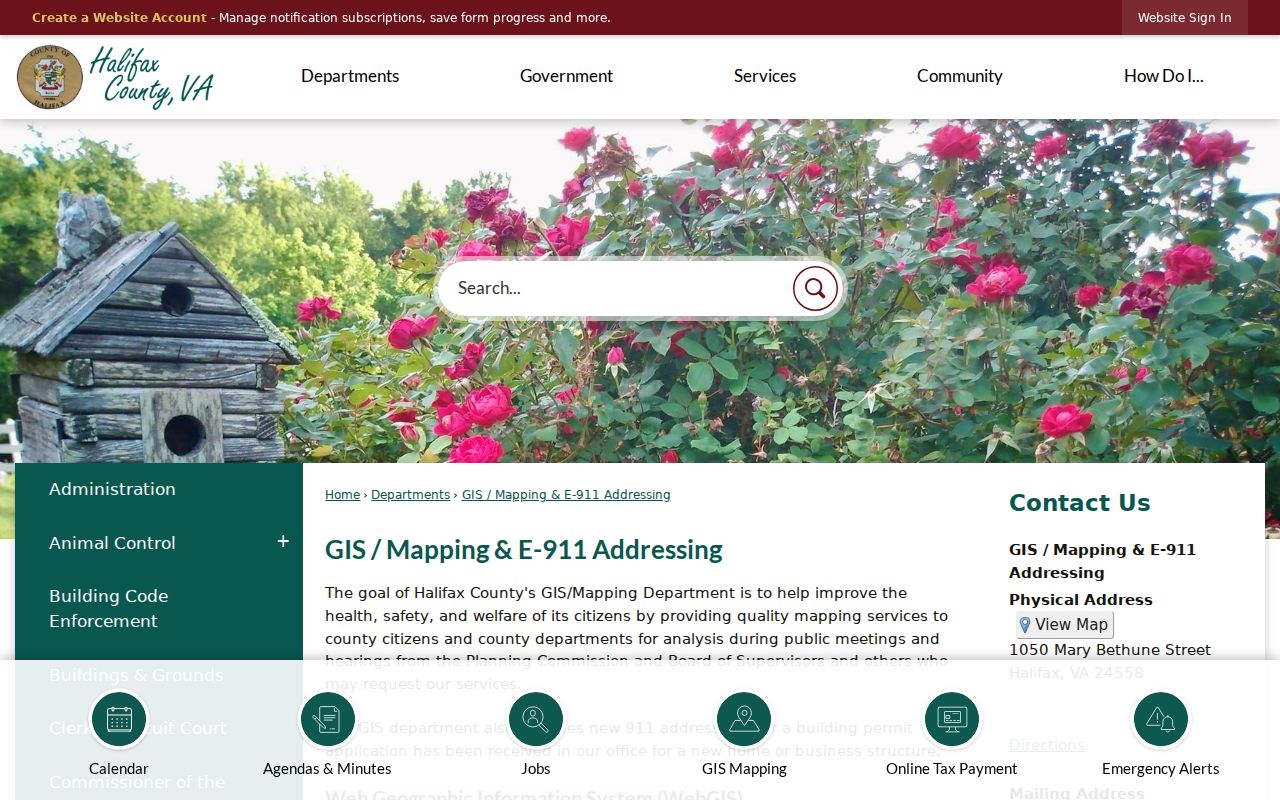
WebGIS is a strong tool for parcel identification, but its data is informational rather than a legal description. A map can point you toward an owner record. It cannot settle a boundary dispute or certify title.
Confirm a Halifax County Owner with the Latest Recorded Deed
Once a parcel and land-book owner look likely, take them to the Circuit Court Clerk's grantor-grantee index. Find the newest conveyance there. Record the deed date, the recording reference, the parties and the property description. The county publishes no stated online start year for Halifax deed coverage. Virginia SRA may open access for participating records. Image viewing, though, requires local clerk authorization, an agreement and applicable fees. Free index-only access depends on the court's settings. The Virginia SRA explanation describes the state system.
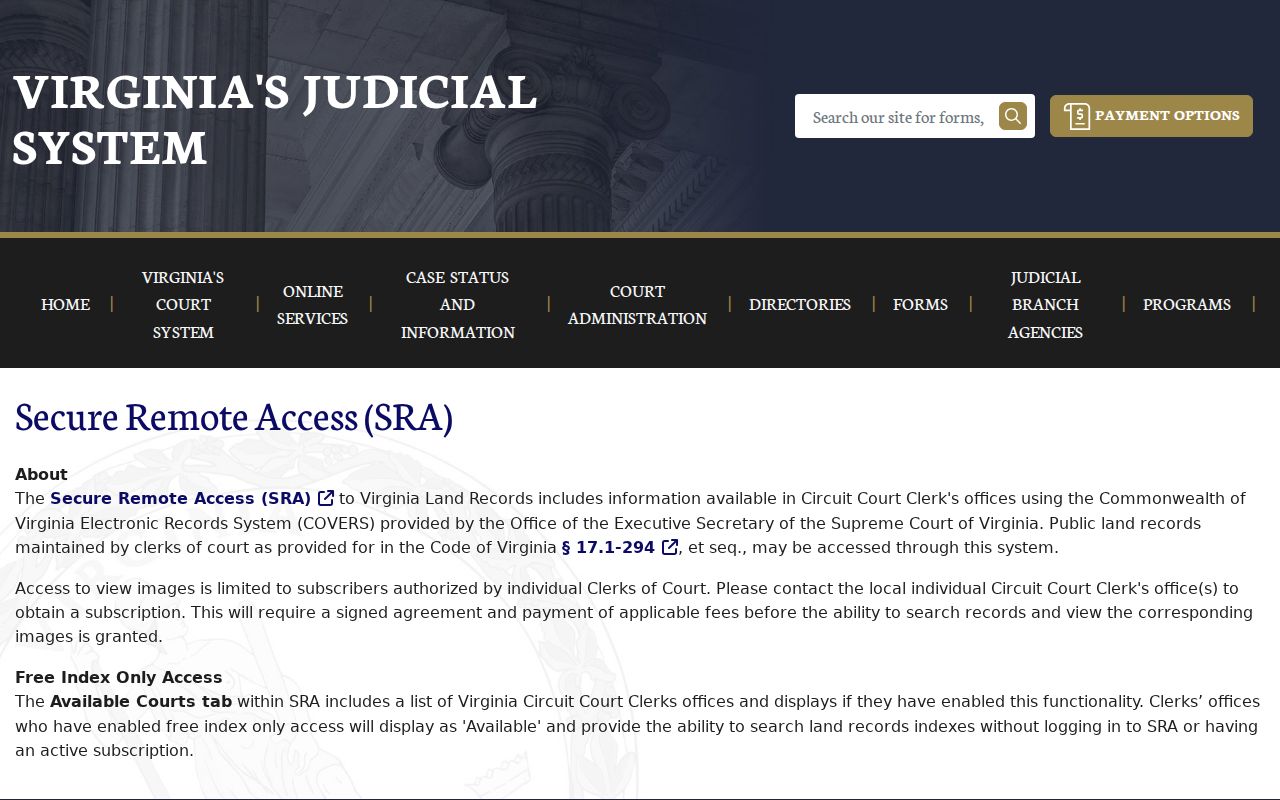
The latest recorded deed is the best proof of ownership in Halifax County. It shows who owns a parcel. Start with the deed records held by the Circuit Court Clerk. A deed names the owner of record and shows how title passed to that person.
Some parcel documents sit behind statewide access rules. Ask the clerk directly whether a specific deed, date range, or image can be released. The Halifax County Circuit Court Clerk sits at 8 S. Main Street. Mail goes to P.O. Box 729, Halifax, VA 24558. Call 434-476-6211, or visit the counter between 8:30 a.m. and 4:30 p.m.
Mailing Owner, Situs Address and Occupant Are Not the Same
A land-book or deed name often carries a mailing address. It may differ from the parcel's situs address. That happens when an owner gets mail elsewhere. It also happens when an entity holds the property, or when the site sits vacant. A records search tells you about a public record relationship, nothing more. It cannot tell you who lives there. The county publishes no official assessor card confirming the exact fields for mailing, situs or last-sale date. Ask the Commissioner which field you are viewing. Halifax's E-911 address process begins with a building permit application. An older deed may describe only a road, community or tract. A newer permit uses an emergency address instead. Keep the parcel number, the address and the legal description together. That way the relationship stays checkable. USPS publishes no ZIP geography or unique postal addresses for boundary purposes here. Never use a ZIP label to decide town limits. These distinctions head off one common mistake. The mistake is assuming a return address, a public mailing address or a map label identifies either a resident or a legal boundary.
Business and Estate Names Can Appear as Halifax Owners
The grantee is not always a person. LLCs, trusts, and estates appear often. When a limited liability company takes title to a Halifax County parcel, the Virginia State Corporation Commission's Clerk's Information System is the place to look up entity filings. That database is not a land-record source. It cannot prove who controls a company or who owns a parcel. Treat entity details as a clue. Confirm ownership in the Halifax County deed and land book before drawing any conclusion.
Probate adds its own timing gaps. The assessment record may lag behind a death, a will, or a conveyance out of an estate. The Circuit Court Clerk holds wills and probate filings along with deeds. An estate file can point to successors. Still, the recorded instrument governs the transfer. A family relationship alone never makes a relative the owner of record.
Keep names exactly as recorded, punctuation and suffixes included, so a later deed search stays precise and a person stays distinct from a similarly named company or estate.
South Boston's Former City Status Matters to an Owner Search
South Boston spent 1960 to 1995 as an independent city. Today it is a town in Halifax County. A deed from those years may be indexed under South Boston. Modern records route to the Halifax Circuit Court Clerk. A search crossing the transition needs both locality names. Ask the Halifax County Circuit Court Clerk how the earlier record series is arranged, because a current county search may not include every independent-city entry.
A map can identify the modern parcel. An older deed may use a city designation or an earlier street description. Use the parcel as a bridge and trace the recorded chain across the label change. An old address may be the only clue. The town's 2020 Census population was 7,966. That figure describes the town, not parcel ownership, and city and ZIP boundaries are separate search clues.
Use Halifax County VA Deed Alert as a Monitor
Virginia runs a notification service called VA Deed Alert. It flags chosen names in recorded land documents. Halifax County posted information about the service in March 2026. It helps after you identify a record. An alert is not the land-book owner or the latest deed. It cannot explain a filing's legal effect or show whether the named party holds an interest in a specific parcel.
Read the linked instrument. Compare its legal description, parties, and date. A name match alone is not enough, so confirm details with the Halifax County Circuit Court Clerk, especially where a trust, estate, or entity is involved.
Limits on Finding Who Owns a Halifax County Property
Finding who owns a Halifax County property means reconciling the land book with recorded conveyances and the parcel location. It does not identify an occupant. It does not guarantee an unbroken chain or replace a professional title search. The Halifax County map is not a legal description. A payment account is not title evidence. When a record is unclear, contact the Commissioner about assessment ownership and the Circuit Court Clerk about the deed.
Lawful use. Use ownership information for legitimate property research, due diligence and civic purposes. Do not use names or addresses to stalk, intimidate, track or harass a person.
For the assessor's current owner-of-record entry, see the Halifax County current owner guide. Confirm material questions with the custodian or a title professional.